The continuous pursuit of higher energy efficiency in modern construction has made XPS extruded polystyrene foam board one of the most widely used insulation materials globally. Its closed-cell structure, excellent compressive strength, and long-term thermal performance make it an essential component in roof systems, wall insulation, underground engineering, and cold-chain applications. To understand why this material dominates the insulation market, it is necessary to look at what extruded polystyrene xps foam is, how it is manufactured, and the advanced technologies applied in production lines such as those provided by Feininger.
1. What Is XPS Extruded Polystyrene Foam Board?
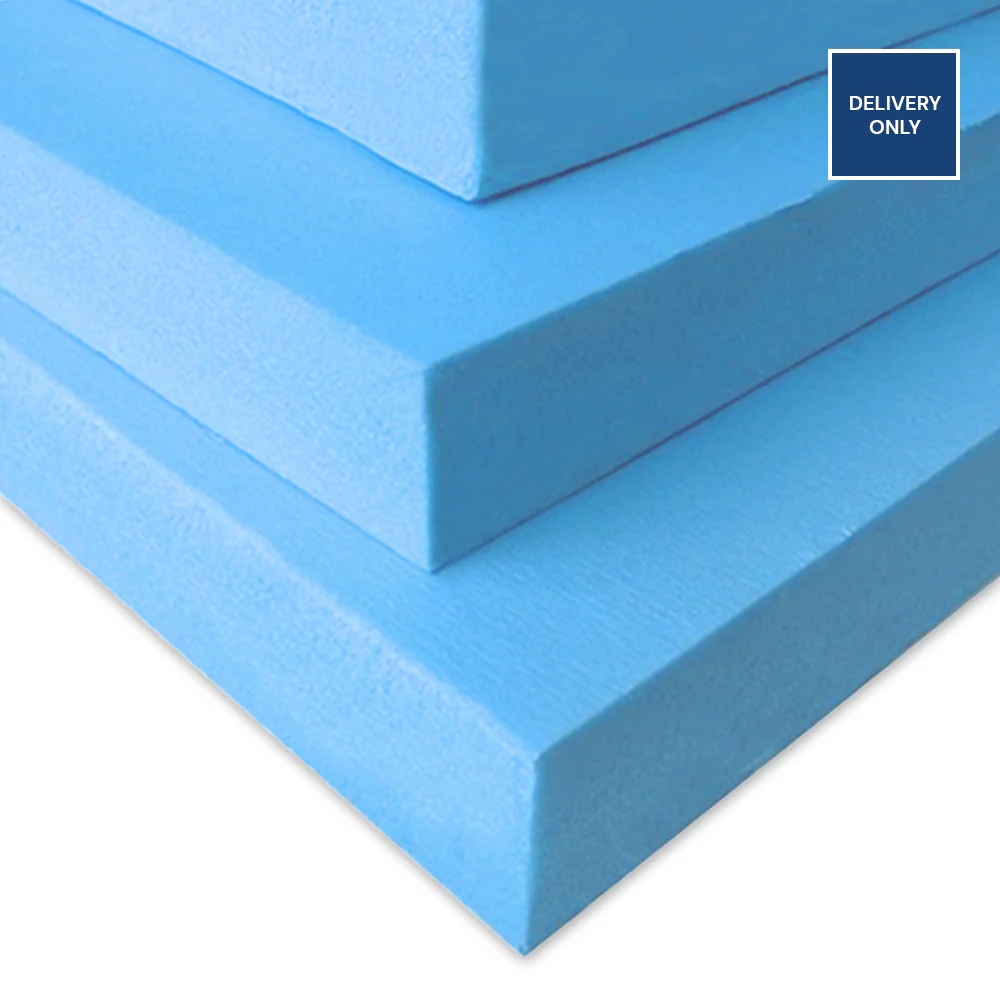
An xps extruded polystyrene foam board is a rigid insulated panel made through a continuous extrusion process. Unlike expanded polystyrene (EPS), which is molded from beads, XPS is formed by melting polystyrene resin and foaming it with blowing agents under controlled temperature and pressure. The result is a closed-cell structure that is uniform, dense, and moisture-resistant.
Key structural features include:
Closed-cell foam with over 95% cell closure
High compressive strength, suitable for load-bearing applications
Low thermal conductivity, ensuring consistent insulation performance
Low moisture absorption, ideal for humid or underground conditions
These characteristics make extruded polystyrene foam plastic board a preferred insulation material across building, transportation, and industrial sectors.
2. Core Properties of Extruded Polystyrene XPS Foam
2.1 High Thermal Insulation Efficiency
XPS foam boards are known for their extremely low thermal conductivity (around 0.028–0.032 W/m·K). The continuous closed-cell structure minimizes heat transfer, ensuring long-term insulation performance in various climate conditions.
2.2 Strong Compressive Strength
An essential advantage of extruded polystyrene xps foam is its high compressive strength, often ranging between 150 kPa to 800 kPa. This allows the material to be used in floors, foundations, vehicle yards, and airport runways.
2.3 Low Water Absorption
Because of its dense closed-cell construction, XPS does not absorb water easily. It maintains its insulation capabilities even in wet environments, outperforming many alternative thermal insulation materials.
2.4 Dimensional Stability and Durability
The structure of XPS foam ensures minimal deformation over time, providing long-lasting performance across decades.
2.5 Lightweight and Easy to Install
Despite excellent mechanical strength, XPS boards remain lightweight, enabling quick handling and reduced installation labor costs.
3. Applications of XPS Extruded Polystyrene Foam Board
3.1 Building Insulation Systems
XPS boards offer excellent thermal performance, contributing to energy-efficient building envelopes.
3.2 Roofing and Flooring
Inverted roof systems
Flat and pitched roof insulation
Floor heating insulation layers
Industrial floors requiring high compressive strength
3.3 Underground and Civil Engineering
The closed-cell structure of extruded polystyrene foam plastic board makes it a strong barrier against ground moisture and frost heaving, ideal for:
3.4 Cold Chain and Industrial Use
XPS is widely applied in:
Cold storage walls and floors
Freezer rooms
Refrigerated truck construction
Industrial pipes and thermal storage systems
4. How XPS Foam Boards Are Manufactured
The manufacturing process of xps extruded polystyrene foam board is a highly controlled extrusion system. The stability of foam structure, density, cell uniformity, and final board performance all depend on the precision of equipment and processing parameters.
4.1 Raw Material Preparation
Polystyrene (PS) resin is the primary material. Additives include:
All ingredients are combined through metering and mixing systems.
4.2 Melting in the Extrusion System
A twin-screw extruder melts and homogenizes the PS resin under controlled temperature and pressure. The mixing strength of the screw design ensures uniform dispersion of additives.
4.3 Blowing Agent Injection
A precise blowing agent injection system introduces CO₂ or environmentally friendly foaming gases into the molten polymer. The pressure control system is critical to achieving the correct foam density.
4.4 Extrusion Through the Die
The foamed polymer passes through a specially designed die. As pressure drops, gas expands, creating a fine and consistent closed-cell structure.
4.5 Cooling and Shaping
A calibrated cooling bench stabilizes the foam structure before the board is shaped into the required thickness.
4.6 Cutting and Surface Processing
Finished boards are:
Trimmed to exact dimensions
Surface textured or embossed
Grooved or laminated, depending on customer requirements
5. Key Equipment in an XPS Foam Board Production Line
A reliable XPS production system includes:
Raw material mixing and dosing system
High-performance twin-screw extrusion equipment
Blowing agent injection system
Precision die and cooling calibrators
Continuous haul-off and trimming machines
Edge profiling, embossing, and lamination units
The stability of the extrusion process directly affects the foam uniformity and mechanical properties of the final product.
6. Feininger XPS Foam Board Production Line: Advanced Technology and Advantages
Feininger is recognized as a leading manufacturer of XPS machinery and a pioneer in CO₂ foaming technology.
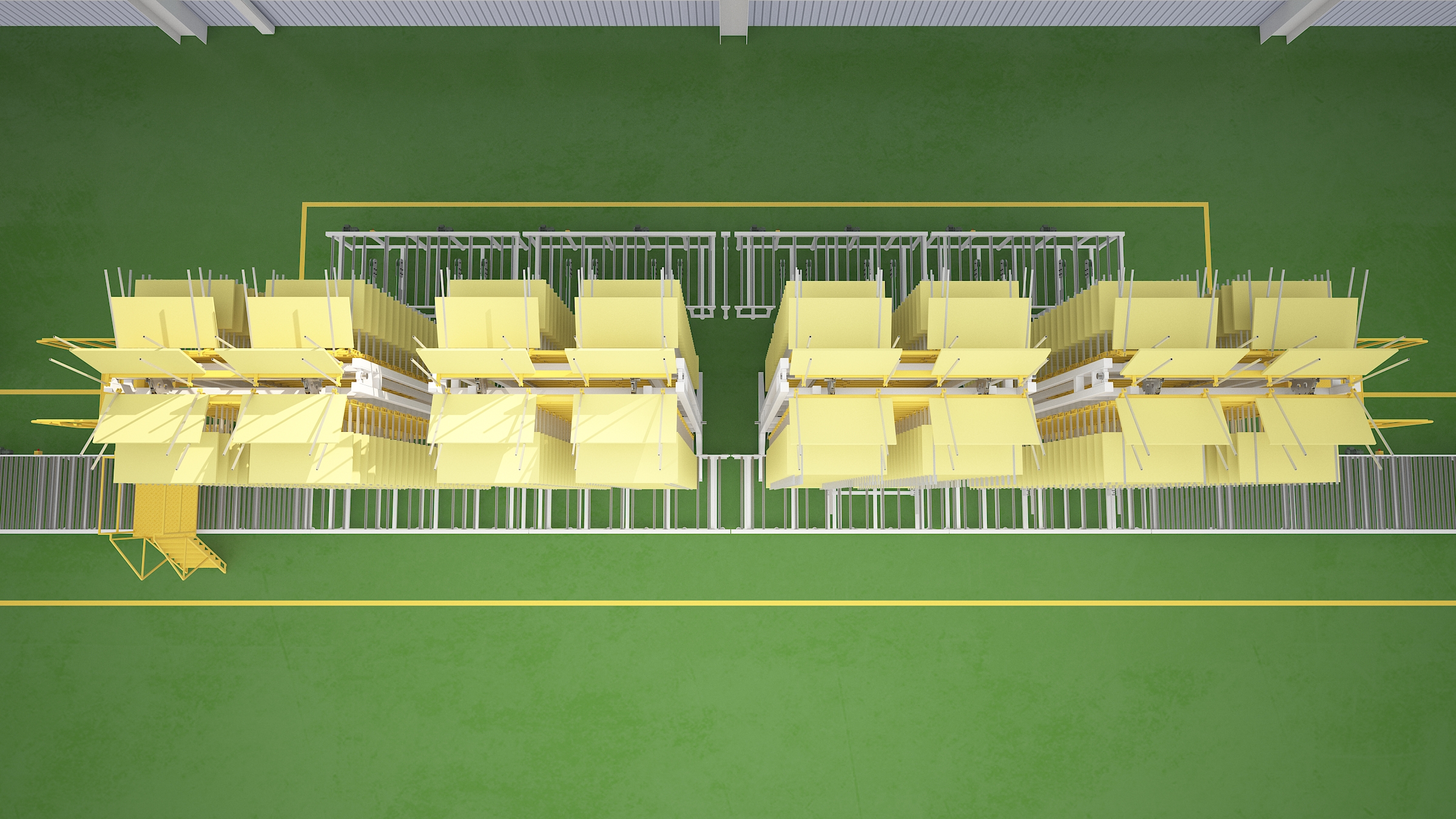
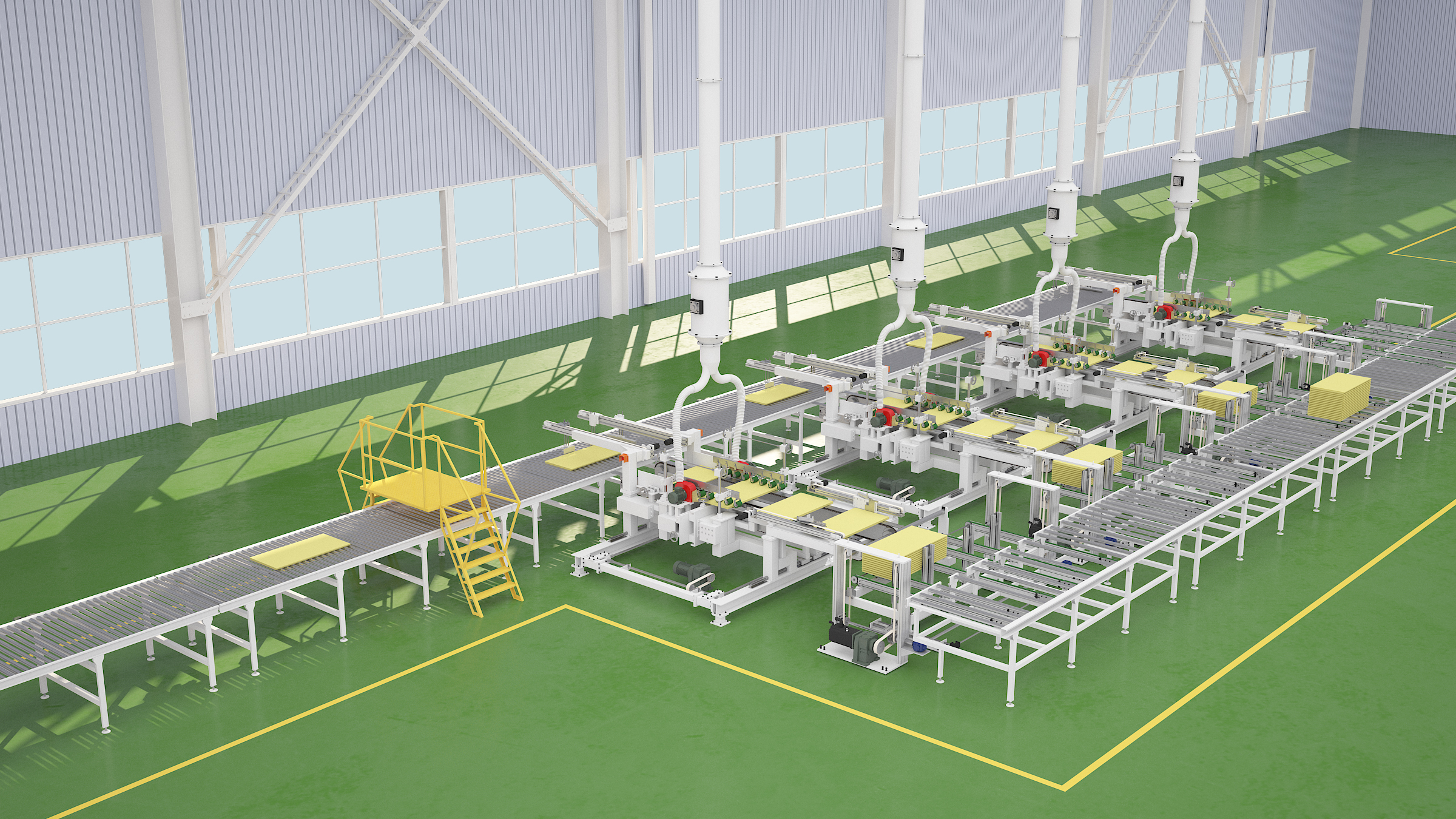
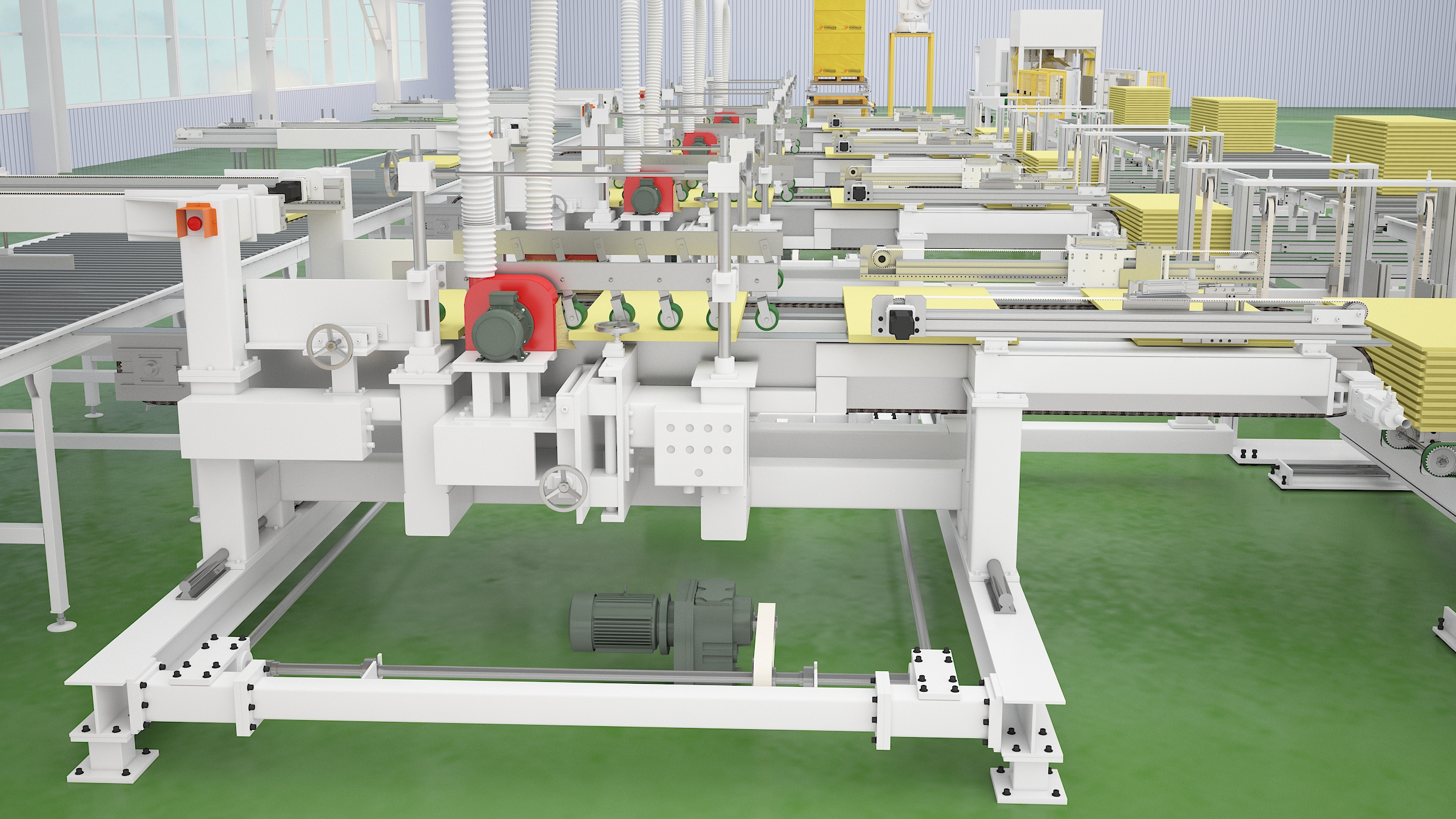
The XPS foam board production line integrates advanced automation and precise process control that enhances product performance and operational reliability.
6.1 High-Efficiency Extrusion System
Feininger’s twin-screw extruders feature optimized screw designs for stable melting, mixing, and foaming. The system ensures excellent cell uniformity and consistent board density.
6.2 Intelligent Temperature Control
Precise temperature zones ensure stable foam structure and prevent defects such as shrinkage or cell collapse. Advanced PLC control systems guarantee consistency in continuous production.
6.3 Automated Cutting and Shaping
The production line includes:
This ensures standardized product dimensions and high-quality surface finishes.
6.4 Flexible Production Capabilities
Feininger machines can produce:
Various densities and thicknesses
Boards with different colors
Embossed, grooved, and laminated surfaces
They suit building insulation manufacturers, cold-chain material suppliers, and industrial insulation companies.
Conclusion
The superior performance of xps extruded polystyrene foam board—including its low thermal conductivity, high compressive strength, moisture resistance, and long-term stability—makes it indispensable across many construction and industrial fields. The precision required in manufacturing extruded polystyrene xps foam demands high-quality production equipment, and Feininger delivers this through advanced extrusion technology, environmentally friendly foaming systems, and efficient automated production lines.
With reliable equipment and optimized processing, manufacturers can produce consistent, high-performance extruded polystyrene foam plastic board to meet diverse market needs.

 Español
 Pусский
